Understanding Bed Bugs: Identification and Impact
Bed bugs are small, nocturnal insects that feed on the blood of humans and animals. They are becoming increasingly prevalent in homes, hotels, and other living spaces, leading to discomfort and distress for many individuals. Identifying these pests early is crucial for effective treatment and maintaining a comfortable living environment. If you’re experiencing signs of an infestation, consulting a bed bug exterminator can provide you with the necessary expertise to eliminate the problem swiftly.
What are Bed Bugs and How Do They Operate?
Bed bugs (Cimex lectularius) are tiny, reddish-brown insects about the size of an apple seed. They thrive in dark, warm areas close to their hosts and are experts at hiding, often in mattress seams, box springs, bed frames, and even cracks in walls. Their life cycle consists of several stages: egg, nymph, and adult. A female bed bug can lay hundreds of eggs during her lifetime, allowing populations to multiply quickly if left untreated. These pests are primarily active at night, making them difficult to spot during the day.
Common Signs of Infestation and Damage
Identifying a bed bug infestation early is essential to prevent it from spreading. Common signs include:
- Itchy, red welts on the skin, often in clusters or lines
- Small blood stains on sheets and mattresses
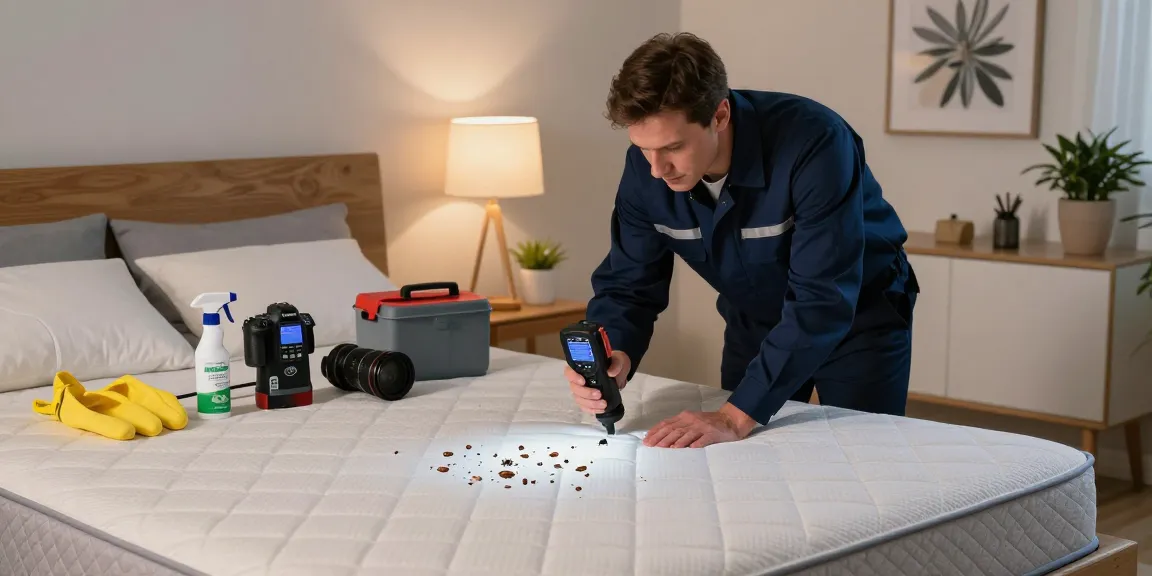
- Dark, inky spots on bedding from bed bug droppings
- Presence of eggs or shed exoskeletons in hiding spots
Other indicators may include a musty odor and the presence of bed bugs themselves, which can often be spotted in the seams of furniture or behind headboards.
The Effects of Bed Bug Infestations on Health and Comfort
Bed bugs are not known to transmit diseases, but their bites can lead to significant discomfort, including itching and skin irritations. In some cases, individuals may experience allergic reactions to bed bug bites that require medical attention. Moreover, the psychological stress associated with infestations can lead to anxiety and insomnia, drastically impacting quality of life. Consequently, swift and effective treatment is vital for restoring comfort and peace of mind.
Why Choose a Professional Bed Bug Exterminator?
When facing a bed bug infestation, hiring a professional exterminator can save time, stress, and ultimately money. Professional exterminators have the training and tools necessary to locate and eliminate bed bugs effectively, preventing them from returning.
The Cost-Benefit Analysis of Hiring Professionals
While the upfront cost of hiring a professional bed bug exterminator might seem high, consider the potential savings. Bed bug infestations can lead to costly furniture replacements, hotel stays during treatment, and health-related expenses. Investing in professional pest control services often results in a more effective and longer-lasting solution, making it a wise financial decision in the long run.
What to Expect from an Exterminator’s Service
When you call a bed bug exterminator, expect a thorough inspection of your home. They will assess the level of infestation, identify hiding spots, and recommend an appropriate treatment plan, which may include chemical treatments or heat eradication methods. Following treatment, many exterminators provide follow-up visits to ensure the effectiveness of their services.
Understanding Exterminator Techniques: Chemical vs. Heat Treatment
Exterminators typically use either chemical sprays or heat treatments to eliminate bed bugs. Chemical treatments involve applying residual insecticides that kill bed bugs on contact and continue to work over time. On the other hand, heat treatments require raising the temperature in infested areas to a level lethal to bed bugs. This method is highly effective against all life stages of the pest, including eggs, and is often preferred for its eco-friendly nature.
How to Prepare Your Home for Bed Bug Treatment
Preparing your home for bed bug treatment is crucial for ensuring the success of the extermination process. Proper preparation helps exterminators do their job effectively, leading to a quicker eradication process.
Key Steps to Take Before Extermination
Before treatment, homeowners should take several steps:
- Declutter the affected areas to expose hiding spots
- Wash bedding, clothing, and other washable items in hot water
- Vacuum carpets and furniture thoroughly
- Remove items from underneath beds and around furniture
These actions can help make the extermination process more effective and efficient.
What Not to Do During Bed Bug Treatment
Avoid certain actions that can hinder the extermination process. Do not relocate infested furniture to other parts of the home, as this can spread the infestation. Avoid using DIY methods or non-professional products, as these can sometimes exacerbate the situation rather than resolve it.
Creating a Post-Treatment Plan for Your Home
After treatment, it’s essential to follow a post-treatment plan to prevent re-infestations. Regularly inspect your home and take precautions while traveling, such as checking hotel beds and luggage carefully. If you notice any signs of a resurgence, contact a professional exterminator immediately to address the issue before it worsens.
Evaluating Treatment Options: What Works Best?
Understanding the various treatment options available is critical in choosing the most effective one for your situation. Each method has its pros and cons, and the choice may depend on the severity of the infestation, your budget, and personal preferences.
A Deep Dive into Effective Chemical Treatments
Chemical treatments are a common solution for bed bug infestations. These treatments typically involve a combination of sprays and dust formulations that create a barrier, preventing bed bugs from returning. Professional pest control services often use commercial-grade products that are not available to the general public, which can be significantly more effective than retail solutions.
Heat Treatment Explained: The Eco-Friendly Alternative
Heat treatments are an increasingly popular method for bed bug eradication. By raising the temperature in infested areas to 118°F (48°C) or higher, all life stages of bed bugs are killed without the use of chemicals. This method is not only effective but also environmentally friendly, making it suitable for households concerned about chemical exposure.
Combining Methods for Maximum Effectiveness
In some cases, a combination of heat and chemical treatments may yield the best results. Utilizing both methods can ensure a more comprehensive approach to eradication, especially in heavy infestations where bed bugs may have established a strong presence.
Preventing Future Infestations: Best Practices
After successfully eradicating bed bugs, it’s crucial to implement preventive measures to avoid future infestations. Maintaining vigilance and adopting best practices can protect your home from these unwelcome pests.
Regular Inspection and Monitoring Techniques
Regularly inspecting your home is an effective way to catch bed bugs early. Consider setting a routine to check areas where bed bugs are likely to hide, such as bedrooms and living rooms. Use bed bug detectors or traps, which can provide early warning signs of an impending infestation.
How to Travel Safely to Avoid Bringing Bed Bugs Home
Traveling often increases the risk of introducing bed bugs into your home. To minimize this risk, always inspect hotel rooms upon arrival, keeping luggage elevated and away from beds. After returning home, wash all clothing in hot water and inspect bags and belongings for any pests.
Tips for Landlords and Property Management
Landlords and property managers should take proactive steps to prevent bed bug infestations in rental properties. Regular inspections, educating tenants on signs of bed bugs, and responding promptly to reported issues can help maintain a pest-free environment. Utilizing professional pest control services can also aid in preventing infestations in multi-unit dwellings.
Frequently Asked Questions
What is the average cost of a bed bug exterminator?
The cost of a bed bug exterminator can vary widely depending on the severity of the infestation, the size of the property, and the chosen treatment method. Typically, prices can range from $300 to $1,500, with the average cost being around $1,000 for comprehensive treatment in larger homes.
How quickly can a professional bed bug exterminator eliminate an infestation?
Most professional extermination services can provide initial treatment within a few days of your call. The complete eradication of bed bugs may take several weeks, especially if multiple treatments are required. Follow-up visits are often recommended to ensure all bed bugs are eliminated.
Are home remedies effective for bed bug issues?
While some home remedies may provide temporary relief, they are generally not effective for eliminating established infestations. Professional treatments using commercial-grade products or heat methods are much more reliable and effective.
What should I do if I still see bed bugs after treatment?
If you continue to see bed bugs after treatment, contact your exterminator immediately. They may recommend additional treatments or adjustments to your treatment plan to ensure complete eradication.
How can I identify bed bugs in my home before an infestation occurs?
Regularly inspect your home for signs of bed bugs, including bites on your skin, blood stains on your sheets, and dark spots from bed bug droppings. Using bed bug detection tools can also be effective in identifying any early signs of infestation.