
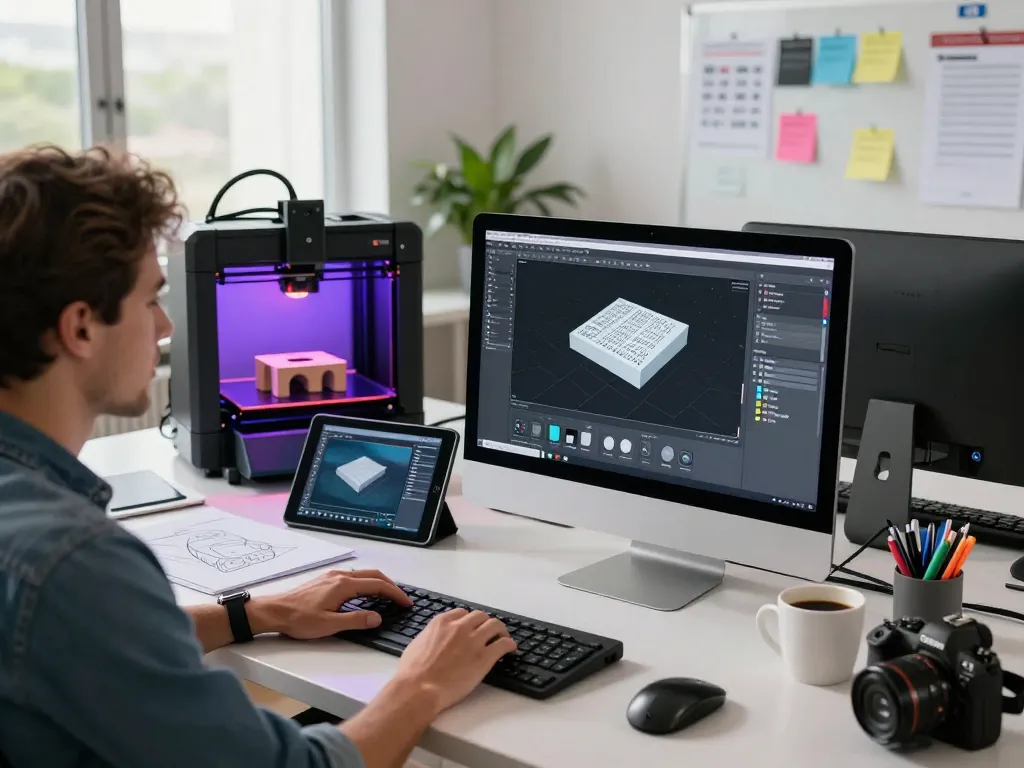
Understanding Text to CAD Technology
The advancement of technology has transformed the way we design and create. Among the latest trends is the emergence of Text to CAD software, which takes textual descriptions and converts them into detailed Computer-Aided Design (CAD) models. This innovative approach allows designers and engineers to expedite their workflows and enhance creativity, making it a valuable tool in various sectors. As industries increasingly seek efficient solutions, understanding the mechanics and applications of Text to CAD becomes crucial. When exploring options, text to cad tools can drastically improve productivity and accuracy.
What is Text to CAD and How Does it Work?
Text to CAD refers to a technology that converts written instructions into CAD drawings or models. This process typically involves natural language processing (NLP) and machine learning algorithms that interpret user input and generate corresponding CAD files. Users provide text prompts describing the desired design features, materials, dimensions, and other specifications, and the software processes this information to create a visual representation in various CAD formats, such as .STL or .STEP.
The core functionality relies on a database of design principles and CAD parameters, which the software uses to produce models that are both accurate and usable in professional settings. As AI continues to evolve, the ability of Text to CAD systems to understand context and produce complex designs is becoming increasingly sophisticated.
Benefits of Using Text to CAD Software
- Speed: Traditional CAD design can be time-consuming. Text to CAD solutions drastically reduce the time required to move from concept to model.
- Accessibility: Non-technical users can generate designs without needing extensive training in CAD software, making it more accessible.
- Flexibility: These tools can accommodate iterative design changes easily, allowing for rapid prototyping and refinement.
- Cost Efficiency: By streamlining design processes, companies can save on labor costs and reduce the overhead associated with traditional CAD workflows.
Common Misconceptions About Text to CAD Tools
Despite the advancements in Text to CAD technology, several misconceptions persist. One common myth is that these tools are only suitable for simple designs. In reality, modern Text to CAD applications can handle complex geometries and detailed specifications, producing high-quality models that meet professional standards. Additionally, some users believe that these systems eliminate the need for human oversight. While they automate significant portions of the design process, human input is essential for ensuring the context, creativity, and compliance with industry standards are maintained.
Choosing the Right Text to CAD Solution
As the market for Text to CAD tools expands, selecting the right solution tailored to specific needs is vital. Factors such as ease of use, integration capabilities, and output quality should be considered when evaluating options.
Key Features to Look for in Text to CAD Tools
When searching for a Text to CAD solution, consider the following features:
- User-Friendly Interface: Look for tools that offer intuitive interfaces that facilitate easy navigation and prompt input.
- Export Options: Ensure the software can export to a variety of CAD formats, allowing compatibility with existing design software.
- Customization: The ability to tailor the software to specific needs or preferences enhances usability.
- Support and Community: A strong support network and user community can provide valuable resources and assistance.
Comparing Popular Text to CAD Software
Several Text to CAD tools have emerged, each with unique capabilities and strengths. For instance, Zookeeper leverages open-source technology to facilitate complex mechanical designs from text prompts. Similarly, CADScribe offers a minimal interface aimed at generating 3D models seamlessly. When choosing software, assess features like output quality, user interface, and community support through comparative analysis of leading solutions.
Analyzing User Needs for Effective Selection
Before selecting a Text to CAD tool, it’s crucial to analyze user needs. Identify the primary goals for implementing this technology, such as enhancing design speed, reducing costs, or improving collaboration. Engaging with stakeholders across departments can provide insights into the requirements and expectations from the software. Consider conducting trials with various tools to evaluate their performance in real-world scenarios, enabling informed decision-making.
Integrating Text to CAD into Your Workflow
Successfully integrating Text to CAD solutions into existing design workflows requires careful planning and execution. By adopting best practices, organizations can maximize the potential of these innovative tools.
Best Practices for Maximizing Efficiency
- Training: Providing adequate training for team members ensures they can fully utilize the software’s capabilities.
- Feedback Loops: Establish regular feedback sessions to assess the effectiveness of the tool and make necessary adjustments.
- Documentation: Maintain clear documentation of design processes to foster consistency and improve knowledge transfer among team members.
Setting Up Your Text to CAD Environment
Creating an optimal environment for Text to CAD requires a few key elements. Equip workstations with the necessary hardware and software configurations to support the Text to CAD application. Consider also establishing a dedicated area for design discussions that encourages collaboration and ideation among team members. Implementing a version control system can help manage changes and iterations effectively.
Common Challenges and How to Overcome Them
Integrating new technology often comes with challenges. Common issues include resistance to change, technical difficulties, and integration with existing systems. To overcome these hurdles, communicate the benefits of the new system clearly and involve team members in the transition process. Providing ongoing support and resources can ease concerns and foster a culture of innovation and adaptability.
Real-World Applications of Text to CAD
Text to CAD technology is making significant strides across various industries, showcasing its versatility and utility in realistic scenarios. Here, we explore some impactful use cases.
Case Studies of Successful Implementations
In the architecture sector, a leading firm recently adopted Text to CAD software to expedite the design phase of new projects. By inputting textual prompts that describe the desired architectural style and specifications, designers were able to generate 3D models in record time, improving client satisfaction and project timelines. Another example can be found in mechanical engineering, where a design team used Text to CAD to create prototypes based on verbal instructions provided during brainstorming sessions, leading to enhanced innovation and time efficiency.
Industries Benefiting from Text to CAD Technology
Several industries are reaping the benefits of Text to CAD technology, including:
- Manufacturing: Streamlined design processes lead to faster product development cycles.
- Construction: Enhanced collaboration through shared design specifications improves project execution.
- Industrial Design: Increased creativity and rapid prototyping capabilities foster innovation.
Innovative Use Cases Emerging in 2026
As technology progresses, new applications for Text to CAD are continually emerging. One innovative use case includes integrating Text to CAD with augmented reality (AR) to visualize designs in real-world environments before actual production. Additionally, the ability to link Text to CAD solutions with Internet of Things (IoT) devices allows for real-time updates and adjustments to designs based on live data, further enhancing usability and accuracy in design iterations.
Future Trends in Text to CAD Development
The future of Text to CAD technology is bright, with numerous advancements on the horizon that promise to enhance its capabilities and applications.
Predictions for Text to CAD Technologies in 2026 and Beyond
Looking ahead, we can anticipate the integration of more sophisticated AI algorithms that will enable Text to CAD tools to understand more complex design requirements and user intent. These improvements will likely allow for higher accuracy in outputs and a more fluid user experience, reducing the need for extensive revisions.
Impact of AI on the Future of CAD Design
Artificial intelligence is poised to revolutionize CAD design further by automating routine tasks and providing predictive analytics to inform design decisions. As AI continues to learn from user interactions and design flows, the ability of Text to CAD software to deliver intuitive suggestions and enhancements will significantly improve.
How to Stay Updated with Industry Innovations
To keep pace with the rapid changes in Text to CAD technology, professionals should engage with industry news sources, attend webinars and conferences, and participate in forums dedicated to CAD advancements. Networking with peers and sharing insights can also facilitate access to the latest tools and best practices.
What is text to CAD?
Text to CAD is a transformative technology capable of converting textual descriptions into precise CAD models, thereby streamlining the design process and enhancing creativity across various industries.
Can AI replace traditional CAD design?
While AI significantly enhances the CAD design process through automation and suggestions, it is unlikely to fully replace traditional design practices, as human oversight remains essential for creativity and contextual decision-making.
What are the limitations of text to CAD tools?
Text to CAD tools may face limitations in understanding nuanced human expressions or complex design requirements that demand a high level of creativity and subjective consideration. These tools often require further refinement post-generation to meet specific standards.
How can beginners start using text to CAD software?
Beginners can start by familiarizing themselves with the basic functionalities of Text to CAD tools through tutorials and trial versions. Engaging with online communities can also provide valuable insights and learning resources.
What industries are utilizing text to CAD technology?
Industries such as architecture, engineering, manufacturing, and product design are increasingly adopting Text to CAD technology for its efficiency, speed, and adaptability in the design process.