
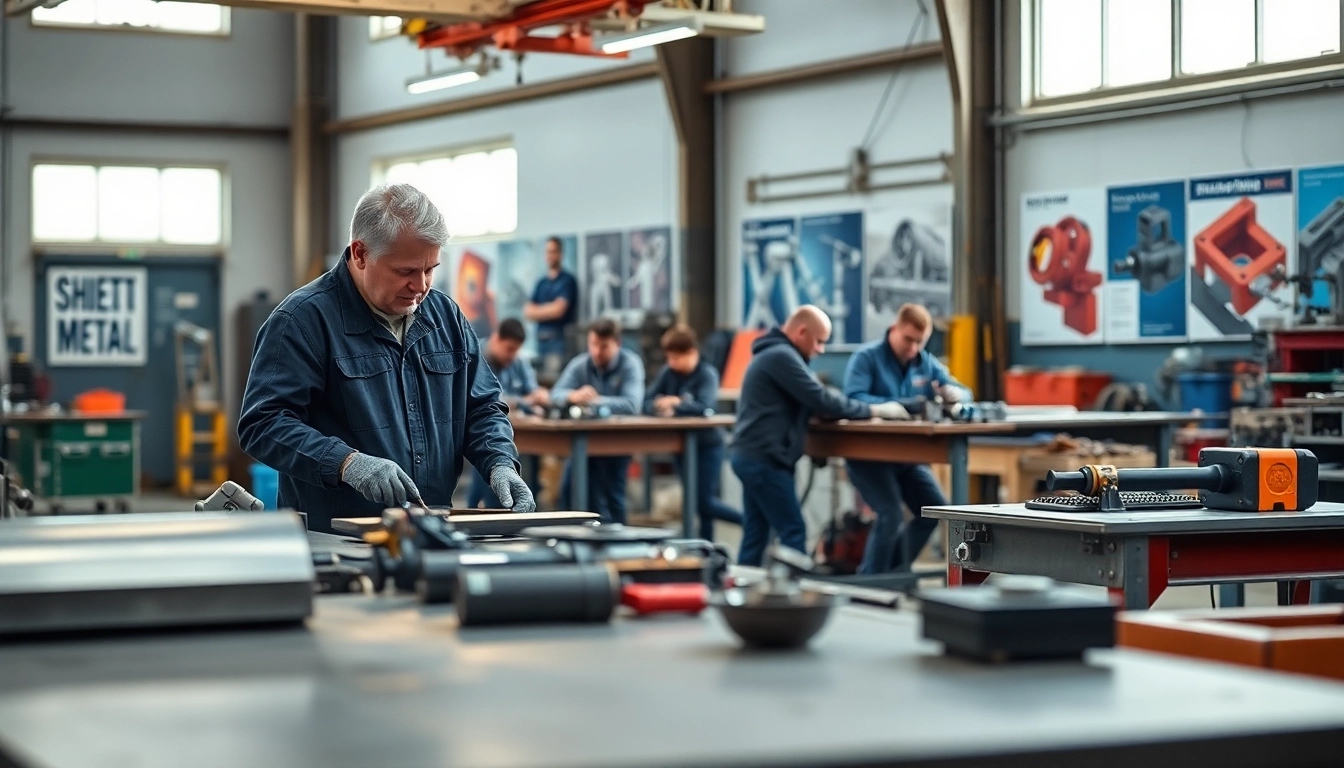
Understanding Sheet Metal Training Fundamentals
Sheet metal training forms the backbone of many essential industries, from HVAC to automotive manufacturing. It equips students with the skills necessary for a successful career in a hands-on environment. With proper training, individuals can create various products and structures from thin sheets of metal. In this article, we will explore the fundamentals of sheet metal training, its significance, core skills acquired, and how to choose the right training program. Whether you’re just starting out or looking to further your skills, this resource aims to provide a comprehensive guide to sheet metal training.
What is Sheet Metal Training?
Sheet metal training refers to educational programs that teach individuals how to work with metal sheets to create a variety of products. This training typically covers the principles of metal fabrication, welding, and manufacturing processes specific to sheet metal. Trainees learn to interpret blueprints, use various tools, and employ different techniques to cut, shape, and assemble metal components. Courses may include both theoretical knowledge and practical experience, ensuring that students are well-rounded in their skills.
Importance of Hands-on Experience in Training
Hands-on experience is vital in sheet metal training. As with many vocational skills, the best way to learn is through practical application. Training programs that emphasize hands-on learning allow students to engage directly with the materials and tools they will use in their careers. This not only enhances understanding but also promotes confidence, as students can see the tangible results of their work. Additionally, hands-on experience often includes troubleshooting real-world problems, preparing students for challenges they may encounter in the field.
Overview of Industry Requirements
The sheet metal industry is continually evolving, with technological advancements and changing regulations necessitating ongoing education. Students must be aware of industry requirements related to safety standards, environmental regulations, and the latest manufacturing technologies. Training programs should address these areas, equipping graduates with the most relevant knowledge to succeed in diverse job environments. Employers often look for candidates who are up-to-date on these requirements, making comprehensive training essential.
Key Skills Acquired Through Sheet Metal Training
Through a focused training program, students gain a variety of essential skills needed for effective metalworking. These skills can be categorized into technical skills, safety considerations, and problem-solving abilities, all crucial for a successful career in the field.
Technical Skills in Metal Fabrication
Technical skills in metal fabrication encompass a wide range of competencies, including proficiency in reading and interpreting blueprints, utilizing different types of machinery, and mastering fabrication techniques. Students learn various methods such as bending, punching, drilling, and folding, which help them navigate the diverse tasks required in sheet metal production. Additionally, CAD (Computer-Aided Design) skills are vital, as many companies utilize this technology to streamline their design processes.
Safety Practices in Metalworking
Safety is paramount in any metalworking environment. Effective training includes comprehensive safety practices aimed at minimizing the risk of accidents and injuries. Students learn about personal protective equipment (PPE) standards, safe operation of machinery, and emergency protocols. A good training program emphasizes the importance of maintaining a clean, organized workspace and practicing safety as an integral part of everyday operations.
Problem-Solving in Real-World Applications
The ability to solve problems effectively is a key component of sheet metal training. Trainees encounter scenarios that require critical thinking, such as material selection for specific applications, troubleshooting machinery issues, and optimizing production processes. Developing these problem-solving skills prepares graduates for the dynamic nature of the industry and enhances their value in the workforce.
Choosing the Right Training Program for Sheet Metal
With numerous training programs available, selecting the right one can seem overwhelming. Prospective students should consider various factors that can influence the quality of their education and future career opportunities.
What to Look for in a Training Program
When evaluating sheet metal training programs, consider size, curriculum, teaching methods, and equipment quality. Programs should cover a comprehensive range of topics, including welding, machining, and fabrication. Furthermore, check for experienced instructors who bring real-world knowledge into their teaching methodologies. Program flexibility, such as offering evening or weekend classes, can also enhance accessibility for working students.
Finding Accredited Institutions
Accreditation is a hallmark of quality in education, and students should seek programs with proven track records. Institutions that are accredited by recognized organizations adhere to industry standards and offer an assurance of quality education. Researching state-level requirements and searching databases for accredited schools can help prospective students make informed choices.
Cost and Time Considerations
Cost is often a pivotal factor in choosing a training program. Potential students should assess tuition costs, additional fees for materials, and whether financial aid options are available. Additionally, the duration of the training is crucial. While some programs may offer intensive training in just a few months, others may span two years or more. Weighing these factors carefully will facilitate a more informed decision to balance education and finances.
Advanced Techniques and Tools in Sheet Metal Training
As technology advances, training programs must incorporate modern techniques and tools in their curriculum. Understanding these advancements is crucial for staying relevant in the field.
CNC Machining in Metal Training
CNC (Computer Numerical Control) machining represents a significant shift in the manufacturing landscape. Training programs now commonly include CNC machinery training, where students learn to operate and program these advanced tools. This instruction prepares graduates for modern manufacturing environments that increasingly rely on precision, automation, and efficiency in metalworking processes.
Innovative Tools and Technology
Alongside CNC, other innovative tools such as laser cutters, plasma cutters, and robotic welding systems are transforming sheet metal fabrication. Including these technologies in training programs not only enhances practical skills but also makes students more competitive in the job market. Understanding how to effectively utilize and maintain modern equipment is integral for success in this field.
Joining Techniques and Metal Properties
Knowledge of joining techniques, including welding, riveting, and adhesive bonding, is vital for sheet metal work. Training should cover the physical properties of different metals and how these influence joining methods. Understanding these nuances allows trainees to make informed decisions about material selection and fabrication strategies in their future careers, ensuring high-quality results.
Frequently Asked Questions about Sheet Metal Training
What are the prerequisites for starting sheet metal training?
Most programs require a high school diploma or equivalent. Basic math and mechanical skills are beneficial, but no prior experience is needed for entry-level training.
How long does sheet metal training typically take?
The duration varies; many certificate programs last 6 months to 1 year. Associate degrees may take about 2 years. Length depends on the program format and curriculum.
Are certification programs available in sheet metal training?
Yes, many institutions offer certification programs. These certifications can enhance your qualifications and improve job prospects in the competitive job market.
What job opportunities arise from sheet metal training?
Graduates can pursue various roles such as metal fabricators, welders, HVAC technicians, and manufacturing engineers. There are ample opportunities across many industries.
How can I keep my skills updated after training?
Continuing education, workshops, and industry certifications are valuable for skill enhancement. Networking with professionals and attending trade shows keep you informed of new technologies.