
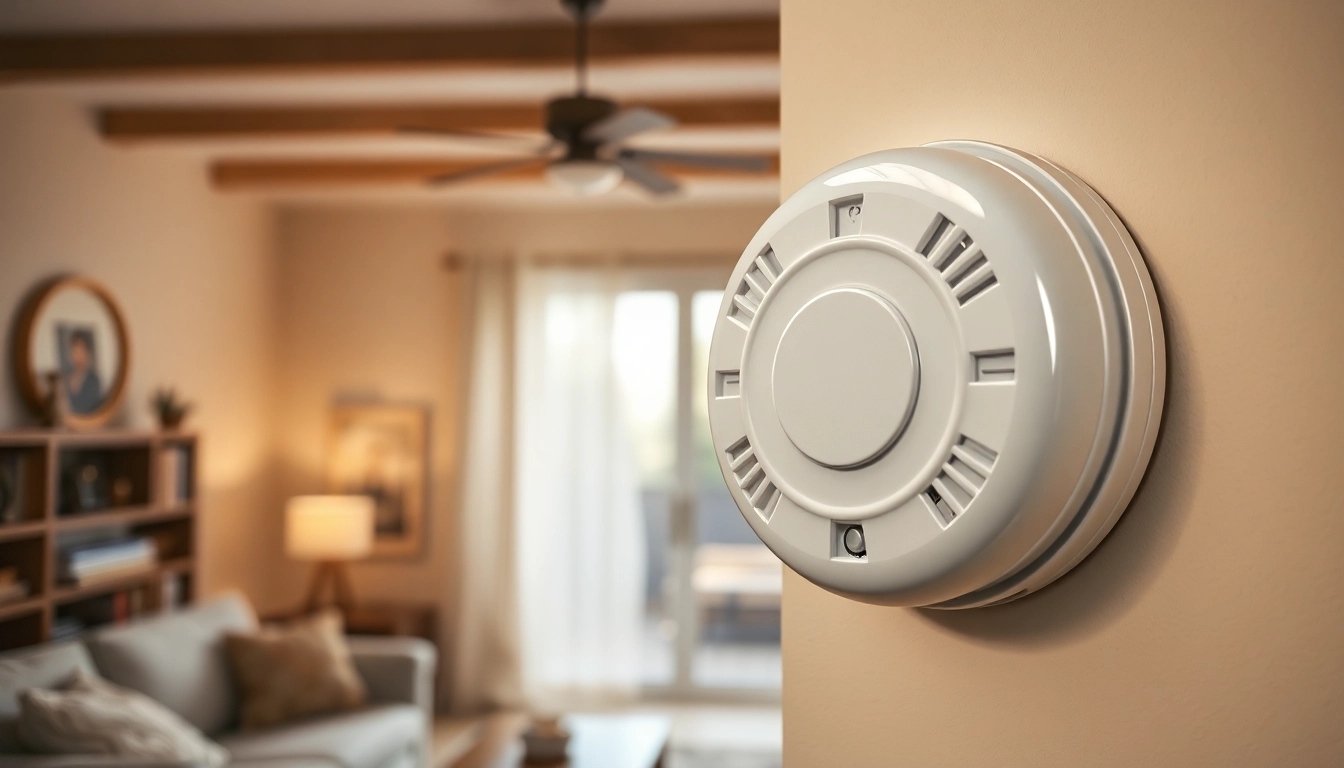
Understanding the Smoke Detector Battery
What is a Smoke Detector Battery?
A smoke detector battery is an essential component in battery-operated smoke detectors, which serve a critical role in fire safety within homes and commercial buildings. These batteries provide the necessary power to keep the alarm system operational, ensuring it can detect smoke and alert occupants in the event of fire. Understanding the inner workings of smoke detector batteries can help users maintain their devices effectively and ensure they function when needed. For instance, a depleted smoke detector battery can render the entire smoke detection system useless, jeopardizing safety.
Types of Smoke Detector Batteries
There are primarily two types of smoke detector batteries: disposable (non-rechargeable) and rechargeable batteries. Disposable batteries are the most common, typically having a long lifespan of up to ten years, depending on the brand and usage. They are primarily alkaline or lithium. On the other hand, rechargeable batteries are designed to be used multiple times, usually featuring lithium-ion or nickel-metal hydride (NiMH) chemistries. While rechargeable batteries may offer convenience, they often require more vigilant management to ensure they are charged and ready for use.
Common Issues with Smoke Detector Batteries
Despite their crucial role, smoke detector batteries can face several common issues. One of the most frequent problems is battery leakage, which can damage the smoke detector and render it inoperative. Users may also experience issues related to battery fit; for instance, if the battery is not well-seated in the compartment, it may cause intermittent alarms. Additionally, environmental factors such as humidity and temperature extremes can affect battery performance, leading to premature failure. Regular maintenance checks and following manufacturer guidelines can help mitigate these problems.
Importance of Smoke Detector Battery Maintenance
Why Regular Checks are Essential
Maintaining smoke detector batteries is paramount for ensuring fire safety. Regular checks can prevent situations where a smoke detector fails due to a dead or malfunctioning battery. It’s advisable to test smoke detectors monthly and replace batteries annually or more frequently if indicated. This practice guarantees that your devices are ready to alert you in case of an emergency, potentially saving lives.
Signs Your Smoke Detector Battery Needs Replacement
Several indicators suggest it may be time to replace your smoke detector battery. If you hear a persistent chirping sound, this usually signifies a low battery. Additionally, if the smoke detector fails to beep during testing or if the indicator light is blinking red, these are clear signs that the battery is nearing the end of its life cycle. Regularly check the date of battery replacement as well, as batteries have a finite lifespan, often around six months to a year depending on usage and type.
How to Properly Test Your Smoke Detector Battery
To ensure your smoke detector battery is functioning correctly, testing it is a simple yet critical process. Start by pressing the test button on the smoke detector. A functional unit will produce a loud, chirping alarm. If it does not sound, replace the battery immediately. Additionally, use a vacuum to remove dust and debris from the unit, as this can also hinder performance. Regular testing can ensure continued safety compliance within your home or office.
Choosing the Right Type of Smoke Detector Battery
Durability and Lifespan Considerations
When selecting a smoke detector battery, considering durability and lifespan is essential. Alkaline batteries offer a reliable power source but typically last only six to twelve months in smoke detectors. Lithium batteries, while more costly, last much longer (up to ten years), making them a more favorable choice in the long run. Evaluating your budget against the longevity of these batteries can guide you in making an informed decision that best suits your needs.
Rechargeable vs Non-Rechargeable Options
The choice between rechargeable and non-rechargeable batteries comes down to convenience and reliability. Rechargeable batteries are environmentally friendly and can save money over time, but they require consistent monitoring and recharging. Non-rechargeable batteries, however, are more straightforward, and their performance is guaranteed until the specified life span is reached. Choosing the right type will depend on your lifestyle and commitment to regular maintenance.
Cost vs Value in Smoke Detector Batteries
While the initial cost of smoke detector batteries might be low, considering their long-term value is crucial for effective budgeting. Investing in high-quality batteries can prevent costly fire accidents and ensure that your smoke detectors function when it matters most. If you need to purchase batteries frequently due to low-quality options, it may end up being more expensive than investing in premium batteries initially. Weigh the costs against the peace of mind that quality brings.
Best Practices for Installing Smoke Detector Batteries
Where to Place Your Smoke Detectors
Placement is key for maximizing the effectiveness of smoke detectors. Ideally, smoke detectors should be installed in every bedroom, outside each sleeping area, and on every level of the home, including basements. They should not be placed near vents, windows, or in areas of high humidity, such as kitchens or bathrooms, as these can lead to false alarms or reduced performance. Familiarizing yourself with ideal placement guidelines will enhance the readiness of your smoke detection system.
Tools Needed for Installation
Installing smoke detectors and replacing batteries doesn’t require specialized tools. The basic necessities include a screwdriver (for mounting the device), a power drill (if installing on solid surfaces), and a ladder to reach higher locations. If the smoke detector is hardwired, additional tools such as wire strippers and electrical tape may be necessary. Prepare adequately to ensure a smooth installation process and optimal functionality.
Step-by-Step Installation Guide
Installing smoke detectors can be accomplished by following these steps:
- Choose the appropriate location for installation.
- Using the mounting bracket, mark the drill holes on the wall or ceiling.
- Drill holes if necessary and attach the mounting bracket securely.
- Insert batteries into the smoke detector, ensuring proper polarity.
- Mount the smoke detector on the bracket and secure it in place.
- Test the detector to ensure everything is functioning correctly.
By adhering to these steps, users can ensure that their smoke detectors are installed correctly and ready for immediate use.
FAQs About Smoke Detector Batteries
What is the average lifespan of a smoke detector battery?
The average lifespan of a smoke detector battery typically ranges from six months to ten years, depending on the type of battery used. Alkaline batteries last shorter, while lithium offers extended life.
How often should I change my smoke detector battery?
It is recommended to change your smoke detector battery at least once a year or whenever you hear the low battery chirp. Monthly checks ensure reliability.
Can I use any battery type in my smoke detector?
No, it’s essential to use the specific battery type required by your smoke detector as specified in the user manual. Using the wrong type can damage the device.
What should I do if my smoke detector battery keeps beeping?
If your smoke detector battery keeps beeping, it typically indicates a low battery. Replace the battery immediately to ensure the detector works properly.
How can I safely dispose of old smoke detector batteries?
Dispose of old smoke detector batteries according to local regulations. Most communities have battery recycling programs; consult local waste management for guidance.