
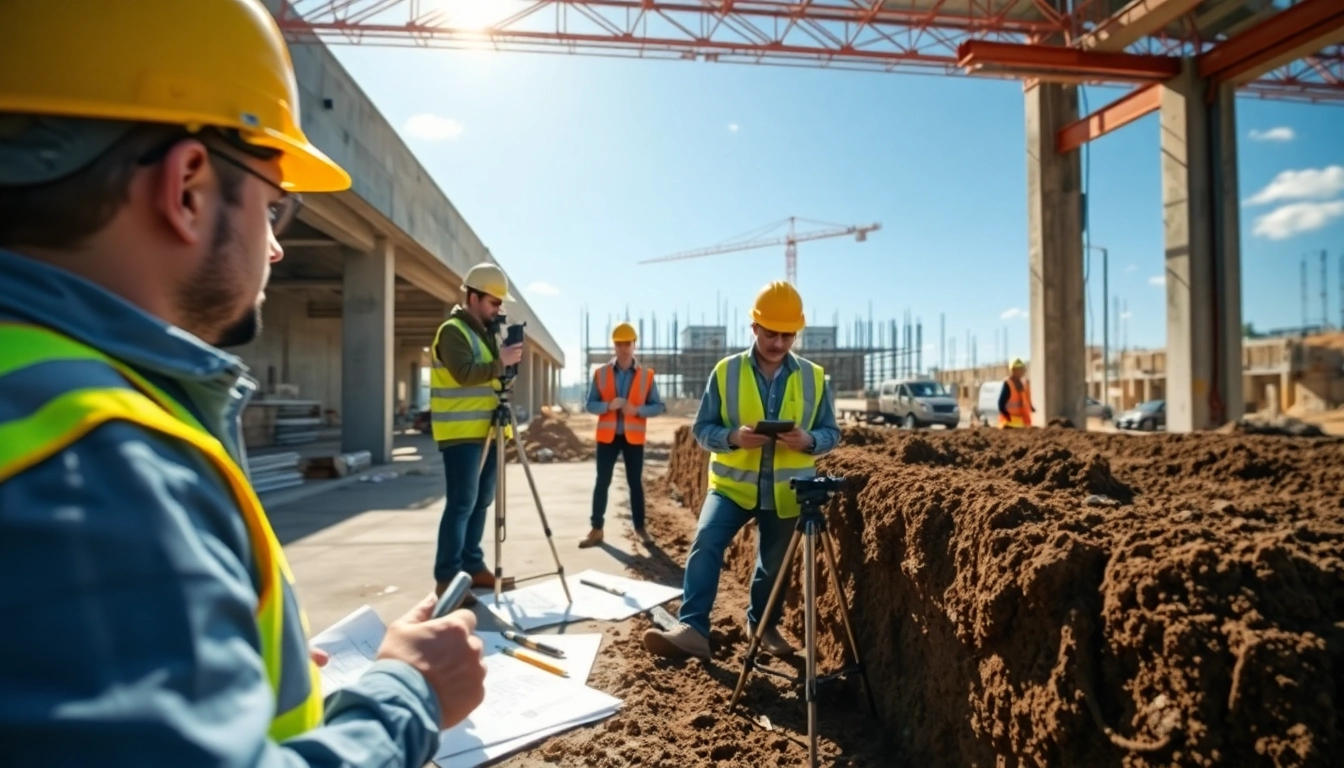
Introduction to Construction Assessment Testing
Construction assessment testing plays a critical role in ensuring the safety, stability, and efficacy of construction projects. With increasing complexities in construction materials, soil conditions, and regulatory requirements, implementing effective assessment testing procedures becomes essential. Not only does this testing facilitate adherence to safety standards, but it also enhances reliability in structural integrity and longevity. Engaging in thorough construction assessment testing helps build stakeholder confidence and maintain project timelines while controlling costs.
Importance of Construction Assessment Testing
The importance of construction assessment testing cannot be overstated. This practice ensures compliance with safety norms, mitigates risks, and identifies potential issues before they escalate into costly problems. By examining materials and environmental factors, construction professionals can anticipate challenges and effectively plan remediation strategies. This proactive approach leads to improved project quality, increased customer satisfaction, and enhanced brand reputation within the industry.
Key Objectives of Assessment Testing
The fundamental objectives of construction assessment testing cover a wide spectrum. Primarily, they include:
- Compliance Assurance: Ensuring adherence to local and federal regulations.
- Quality Control: Verifying the integrity of materials and workmanship.
- Safety Evaluation: Detecting potential hazards to prevent accidents.
- Cost Management: Identifying issues early to avoid expensive rectifications.
Industry Standards and Regulations
Compliance with industry standards and regulations is pivotal in construction assessment testing. Standards such as those from the American Society for Testing and Materials (ASTM), International Organization for Standardization (ISO), and local building codes inform best practices. These regulatory frameworks provide guidance on conducting assessments to ensure quality, safety, and sustainability in construction practices. Keeping abreast of changes in regulations is vital to maintaining compliance throughout project life cycles.
Types of Construction Assessment Testing
Various types of testing are employed within the construction industry to assess different components of a project. The most common categories include soil testing methods, material quality assessments, and structural integrity evaluations, each serving specific purposes.
Soil Testing Methods
Soil testing methods are foundational to construction assessment, as the soil’s characteristics can dramatically affect the stability of any structure built upon it. Common soil tests include:
- Standard Penetration Test (SPT): Measures the soil’s resistance to penetration, helping determine its properties.
- Unified Soil Classification System (USCS): Classifies soil types based on grain size, shape, and distribution.
- Atterberg Limits Test: Evaluates the plasticity of soil, determining its behavior under varying moisture conditions.
Conducting these tests provides crucial data that influences design decisions, ensuring the chosen foundation system is appropriate and effective for the site’s conditions.
Material Quality Assessments
Material quality assessments focus on evaluating the constituents used in construction projects—such as concrete, steel, and wood. Standard practices include:
- Compressive Strength Test: Determines the maximum compressive stress a material can withstand.
- Durability Tests: Assesses materials’ resistance to environmental factors and wear.
- Non-Destructive Testing (NDT): Uses methods like ultrasonic or radiographic testing to identify flaws without damaging materials.
These assessments ensure that the materials used meet quality standards essential for structural integrity and longevity
Structural Integrity Evaluations
Structural integrity evaluations are conducted to assess the overall health of existing structures or ensure new constructions meet design requirements. Techniques include:
- Load Testing: Determines a structure’s capability to hold weight loads safely.
- Visual Inspections: Identify signs of distress or deterioration, guiding maintenance decisions.
- Finite Element Analysis (FEA): Predicts how structures react to external forces, aiding in design optimization.
Regular evaluations are vital for ensuring that structures remain safe and operational over time.
Best Practices for Conducting Assessments
Conducting effective construction assessments requires adherence to best practices that streamline processes and enhance results. These practices encompass planning and preparation, data collection techniques, and effective reporting.
Planning and Preparation Tips
Effective planning and preparation set the groundwork for successful assessments. Important steps include:
- Defining Objectives: Clearly articulate what the assessment aims to achieve.
- Resource Allocation: Assign appropriate personnel and allocate necessary equipment and funds.
- Timeline Development: Establish a project timeline that includes all assessment stages for clarity and coordination.
Data Collection Techniques
Reliable data collection is essential for accurate assessments. Techniques range from traditional methods to advanced technologies, such as:
- Field Sampling: Collecting soil or material samples directly from sites for analysis.
- Surveys and Drones: Utilizing technology for aerial assessments to gather data efficiently.
- Monitoring Systems: Implementing sensors that continuously gather data about structural performance.
These methods enhance precision and facilitate better decision-making.
Effective Reporting of Results
Communicating assessment results is critical. Reports should be:
- Comprehensive: Provide detailed findings and analysis.
- Clear: Use straightforward language to ensure understanding by diverse stakeholders.
- Action-Oriented: Offer recommendations based on assessment results to guide future actions.
Effective reporting fosters transparency and enhances stakeholder trust throughout the project cycle.
Common Challenges in Construction Assessment Testing
While construction assessment testing provides vital insights, it does not come without challenges. Addressing these issues proactively can help maintain the integrity of the overall process.
Budget Constraints and Resource Limitations
Budget constraints can limit the scope of testing, leading to insufficient assessments. To overcome this, prioritize critical tests based on project needs and risks. Establishing a clear budget early in the project can also prevent underfunding and ensure the resources available are appropriate for the testing required.
Technical Issues with Testing Equipment
Problems with testing equipment can lead to inaccuracies and delays. Regular maintenance checks and ensuring proper operator training are crucial strategies for mitigating this risk. Investing in modern technology can also enhance reliability and reduce problems associated with outdated equipment.
Mitigating Risks during Assessments
Risk mitigation is essential in any assessment process. Techniques include adopting standardized procedures to minimize errors, conducting safety briefings before assessments, and ensuring clear communication among team members. These actions help create a safer working environment and maintain the integrity of the assessment process.
Future Trends in Construction Assessment Testing
As the construction industry evolves, testing practices will increasingly incorporate innovations. Staying ahead of these trends can enhance assessment accuracy and efficiency.
Innovations in Testing Technologies
Emerging technologies such as artificial intelligence (AI), machine learning, and augmented reality (AR) are transforming the landscape of construction assessment testing. These tools facilitate more precise analysis, predictive modeling, and real-time monitoring of conditions, offering enhanced insights that traditional methods cannot deliver. Embracing these innovations ensures that assessments remain relevant and effective.
Sustainability in Assessment Practices
Environmental concerns are increasingly shaping construction practices, including assessment testing. Sustainable testing methods focus on minimizing environmental impact, such as using eco-friendly materials for construction tests and implementing practices that promote recycling and resource conservation. Adopting a sustainable approach in assessments aligns with broader industry goals of reducing carbon footprints and supporting green building initiatives.
Building a Culture of Safety and Compliance
Creating a culture of safety and compliance ensures that assessment testing is conducted with the utmost professionalism and regard for regulations. This culture promotes ongoing training, adherence to standards, and the integration of safety protocols into all project phases. Encouraging open dialogue about safety concerns fosters a proactive mindset, contributing to enhanced assessments and safer worksites.
Frequently Asked Questions
What is construction assessment testing?
Construction assessment testing involves evaluating materials, soil, and structures to ensure safety, compliance, and quality in construction projects.
Why is soil testing important for construction?
Soil testing is crucial for assessing ground stability and ensuring suitable foundation design, minimizing risks of structural failure later.
What types of materials are usually assessed?
Commonly assessed materials include concrete, steel, asphalt, and wood, evaluating their strength, durability, and overall integrity.
How often should structural integrity evaluations be conducted?
Evaluations should be performed regularly based on project needs, after significant load changes or structural modifications, or as required by regulations.
What are the future trends in construction testing?
Future trends include the integration of AI and machine learning for data analysis, increased focus on sustainability, and the use of advanced testing technologies.