
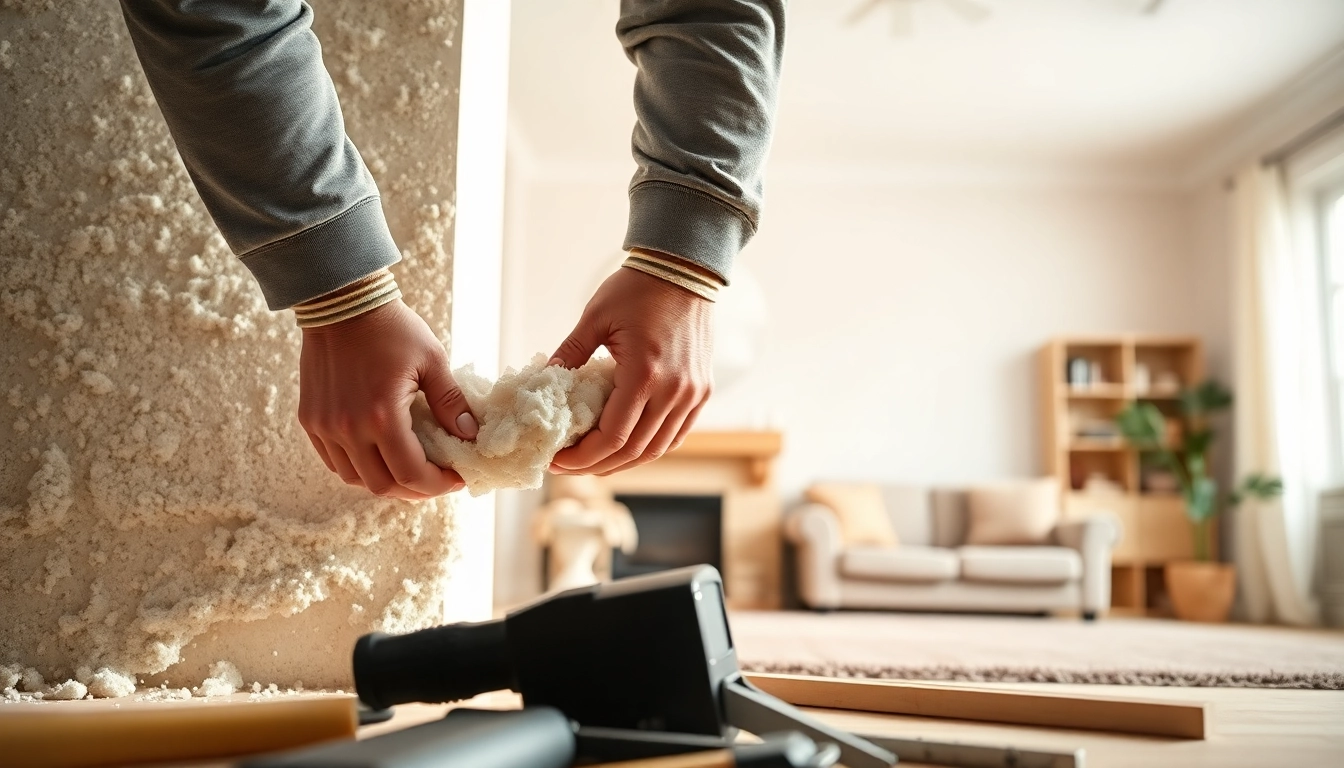
Understanding Professional Spray Foam Removal
What is professional spray foam removal?
Professional spray foam removal refers to the systematic process undertaken by trained specialists to eliminate spray foam insulation from buildings. This insulation is typically applied in a liquid form and expands to fill gaps, making it highly effective for insulating and sealing buildings. However, over time, it may become damaged, moldy, or less effective, necessitating its removal. The removal process involves specific techniques and equipment to ensure that the underlying structures remain intact while safely disposing of the foam material. Engaging in professional spray foam removal not only safeguards the structural integrity of your home but also enhances air quality and increases energy efficiency.
The importance of effective removal
Removing spray foam insulation effectively is crucial for several reasons. Firstly, improper removal techniques can cause significant damage to walls, roofs, and other structures, leading to costly repairs. Secondly, old or damaged spray foam can harbor allergens, mold, and pests, negatively affecting indoor air quality. Thirdly, insulation that no longer meets safety standards may pose fire hazards or reduce energy efficiency. By ensuring effective removal, homeowners can restore their property to a safe and healthy condition, improve their energy consumption, and prolong the lifespan of their home elements.
Common challenges during the process
The removal of spray foam insulation presents several challenges. One of the primary issues is the adhesive nature of the foam, which can bond firmly to surfaces. This makes it difficult to detach without damaging underlying structures. Another challenge is the hazardous materials that may be present, such as chemicals used in the spray foam formulation. Proper handling and disposal procedures must be followed to comply with regulations. Finally, the removal process can generate a substantial amount of debris, which requires appropriate cleanup and disposal strategies. Recognizing these challenges ahead of time allows professionals to plan effective strategies to mitigate potential complications.
Preparation for Spray Foam Removal
Essential tools and safety measures
Before embarking on the spray foam removal process, having the right tools is essential. Key tools include oscillating saws, scrapers, heat guns, and vacuums, which are designed specifically for removing foam. Additionally, personal protective equipment (PPE) such as gloves, goggles, and respirators is crucial to protect workers from exposure to harmful materials and dust. It’s also important to ensure that all safety protocols are followed, including proper ventilation of the workspace and the use of appropriate waste disposal methods for any removed materials. Prioritizing safety not only protects workers but also ensures a smoother overall removal process.
Preparing the workspace for removal
Preparing the workspace is a critical step that directly impacts the efficacy of the removal process. Begin by clearing the area of any movable furniture or items. It’s advisable to cover floors and remaining surfaces with drop cloths to prevent stains and debris accumulation. Additionally, ensuring adequate ventilation is key, as the removal can produce dust and fumes. If possible, seal off adjoining rooms to contain dust, and mark areas that need to remain clean. Preparation sets the tone for a successful removal, ensuring that the environment is safe and conducive to work.
Assessing insulation types and conditions
Not all spray foam insulation is the same; it can vary significantly in type and application method. Understanding the specifics of the spray foam present in your home is vital to effective removal. Closed-cell spray foam, for instance, is denser and adheres more strongly than open-cell spray foam. Each type has different removal requirements and potential risks involved in the process. It’s essential to assess the condition of the insulation, checking for moisture damage, mold growth, or structural concerns. This evaluation will guide the approach taken during removal and ensure that all considerations are taken into account before starting the work.
The Removal Process Explained
Step-by-step removal techniques
The removal process for spray foam insulation can be divided into several key steps. Firstly, safety precautions should be strictly adhered to, including wearing appropriate PPE. Next, using an oscillating tool or specialized foam saw, the foam is cut away from the surface. It is often effective to start at the edges and work inwards to minimize structural damage. Once the foam is cut away, a heat gun may be used to soften remaining bits, making them easier to scrape off with a scraper. Finally, vacuuming the area ensures that any loose debris is collected, leaving behind a clean surface.
Tips for minimizing damage to structures
Minimizing damage during spray foam removal is a significant concern. Careful cutting and scraping techniques must be employed to prevent gouging or scratching the underlying materials. Using a heat gun at low temperatures can aid in loosening the adhesive without damaging the surfaces. It’s also vital to assess the materials involved; for example, drywall may require different techniques than wood or metal. Professionals recommend working slowly and assessing the state of the material beneath the foam regularly during removal to ensure that actions taken are suitable for the conditions present.
Post-removal clean-up methods
Once the spray foam has been successfully removed, a thorough clean-up is necessary to ensure the safety and functionality of the environment. Begin by removing any large pieces of foam and debris. Employ industrial-grade vacuums to eliminate dust particles that may have accumulated during the removal process. Following this, surfaces should be wiped down with appropriate cleaning agents to remove any residual adhesive or chemicals. Ensuring complete removal of all debris not only promotes a clean environment but also prepares the area for any potential insulation replacements that may follow.
Aftercare Post Removal
Assessing the area after foam removal
Post-removal, it’s essential to assess the condition of the area that had the spray foam installed. Look for signs of damage, such as cracked walls or moisture infiltration, as these can affect future insulation efforts or indicate further concerns. A thorough inspection should be conducted, noting any areas that may require repairs prior to installing new insulation. This evaluation can help establish a clear understanding and guide the subsequent steps to improve the overall condition of the space.
Best practices for insulation replacement
When it comes to replacing insulation post-spray foam removal, following best practices can ensure optimal results. Begin by selecting a replacement insulation type that suits the building’s needs; consider factors such as R-value, moisture resistance, and compatibility with the existing structure. Before applying new insulation, double-check that the area is clean, dry, and free of debris. Employing trained professionals for this process can aid in the correct installation and provide a warranty for the work, ultimately ensuring long-term performance and efficiency of the insulation.
How to ensure a clean and safe environment
To ensure a clean and safe environment following the removal of spray foam, implementing regular maintenance and check-ups is vital. Clear the area of dust and debris routinely to maintain air quality. Additionally, consider using air purifiers and ensuring proper ventilation to reduce any lingering particles in the air following removal. Establishing a schedule for inspections can aid in catch potential issues before they escalate, making the home safer and more efficient over time.
FAQs on Professional Spray Foam Removal
How long does the removal process take?
The duration of the removal process can vary based on the size of the area and the amount of spray foam present. Typically, it can take anywhere from a few hours to several days, depending on these factors.
Is professional spray foam removal safe for my home?
Yes, professional spray foam removal is safe when conducted by trained and experienced specialists who follow safety protocols and guidelines to protect your home and health.
What should I do after foam removal?
After foam removal, ensure the area is thoroughly cleaned and inspected. If damage is found, address it before installing new insulation to maintain structural integrity.
Can I remove spray foam insulation myself?
While it’s possible to remove spray foam yourself, it is not recommended due to the potential hazards, complexity of the task, and risks of damaging underlying structures.
What are the signs I need foam removal?
Signs that you may need spray foam removal include mold growth, deterioration, unpleasant odors, or reduced energy efficiency in your home. Regular inspections can help identify these issues early.