The Allure of Cape Cod Homes
Nestled along the picturesque coast of Massachusetts, cape cod homes have long captivated the hearts and minds of architecture enthusiasts and homebuyers alike. These charming residences embody a unique blend of history, ecological design, and architectural beauty, making them a sought-after style for coastal living. Understanding why these homes resonate so deeply is essential for anyone considering building, buying, or renovating in this historic style. Let’s delve into the historical significance, architectural features, and ecological aspects that define the allure of Cape Cod homes.
Historical Significance
The roots of Cape Cod homes can be traced back to the early 1600s when settlers from England brought their architectural styles to New England. Inspired by the simple and functional homes of their homeland, these early settlers constructed houses designed for the harsh weather conditions and maritime life of the area. The iconic colonial saltbox style emerged primarily due to its practicality, featuring steep roofs and symmetrical facades, which were effective for both snow removal and maximizing space.
As the years progressed, the design of Cape Cod homes evolved, yet they remained a symbol of the region’s heritage. By the 20th century, these quaint homes began to attract vacationers and summer residences, further embedding them in the cultural landscape. Today, Cape Cod homes are celebrated not only for their historical significance but also for their timeless aesthetic and connection to the natural environment.
Architectural Features
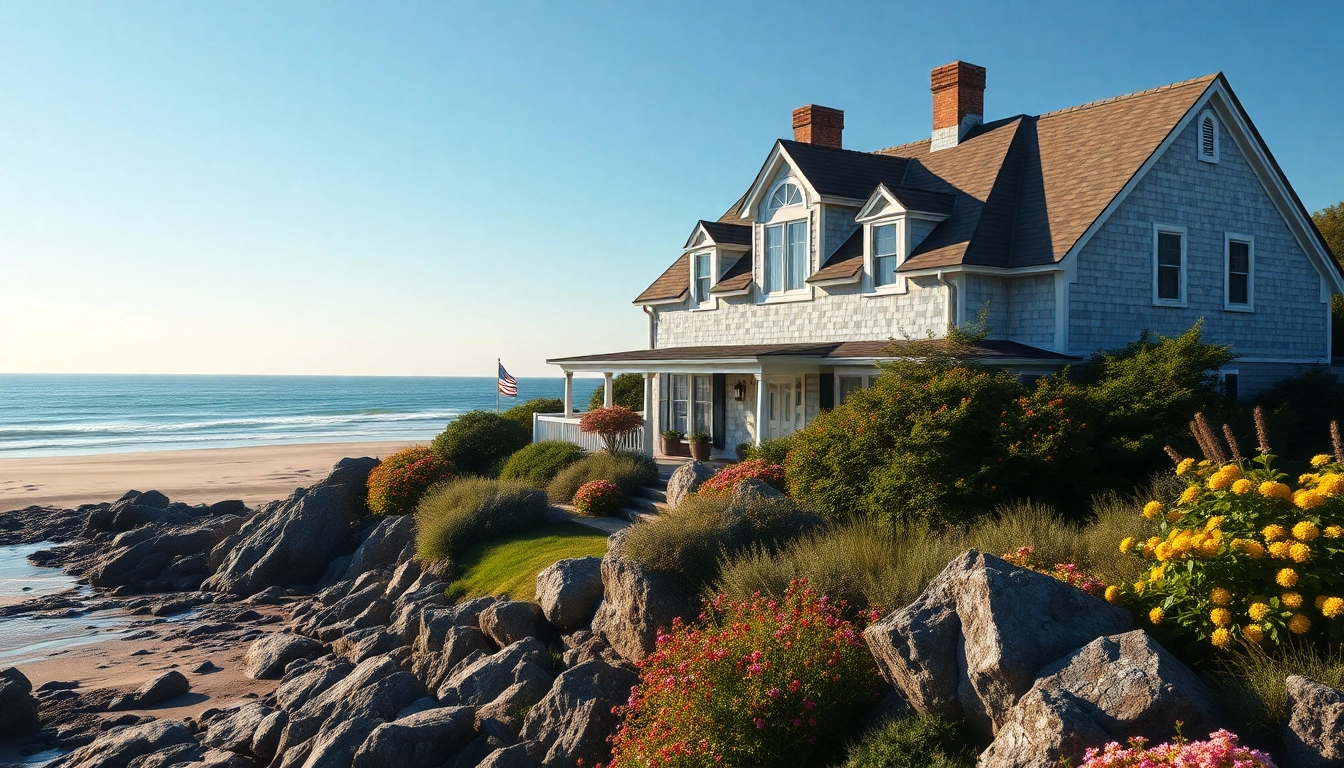
Characterized by their simplicity and elegance, Cape Cod homes typically feature a one to one-and-a-half-story structure with a steeply pitched roof and dormer windows. The exterior, often clad in wood shingles painted in soft shades, complements the coastal scenery and emphasizes a connection to nature.
Other notable architectural elements include:
- Symmetrical Facades: A hallmark of colonial architecture, the symmetry contributes to the homes’ balanced appearance.
- Large Fireplaces: Originally meant to heat the home, these fireplaces serve as central focal points, often adorned with brick or stone.
- Built-in Furniture: Cape Cod homes often feature window seats or built-in cabinets, enhancing both functionality and charm.
Ecological Aspects
One of the key features of Cape Cod homes is their emphasis on ecological harmony. Historically, these homes were crafted using local materials, which not only reduced shipping costs but also minimized their carbon footprint. The design allows for greater energy efficiency, making them more sustainable than other architectural styles.
Furthermore, the integration of modern ecological practices, such as installing energy-efficient windows, solar panels, and sustainable roofing materials, allows homeowners to maintain this legacy while improving overall efficiency.
Design Elements of Cape Cod Homes
Designing a Cape Cod home is a harmonious blend of tradition and functionality. From interior layouts to landscaping styles, every element plays a critical role in defining the character and livability of these homes.
Interior Layout and Functionality
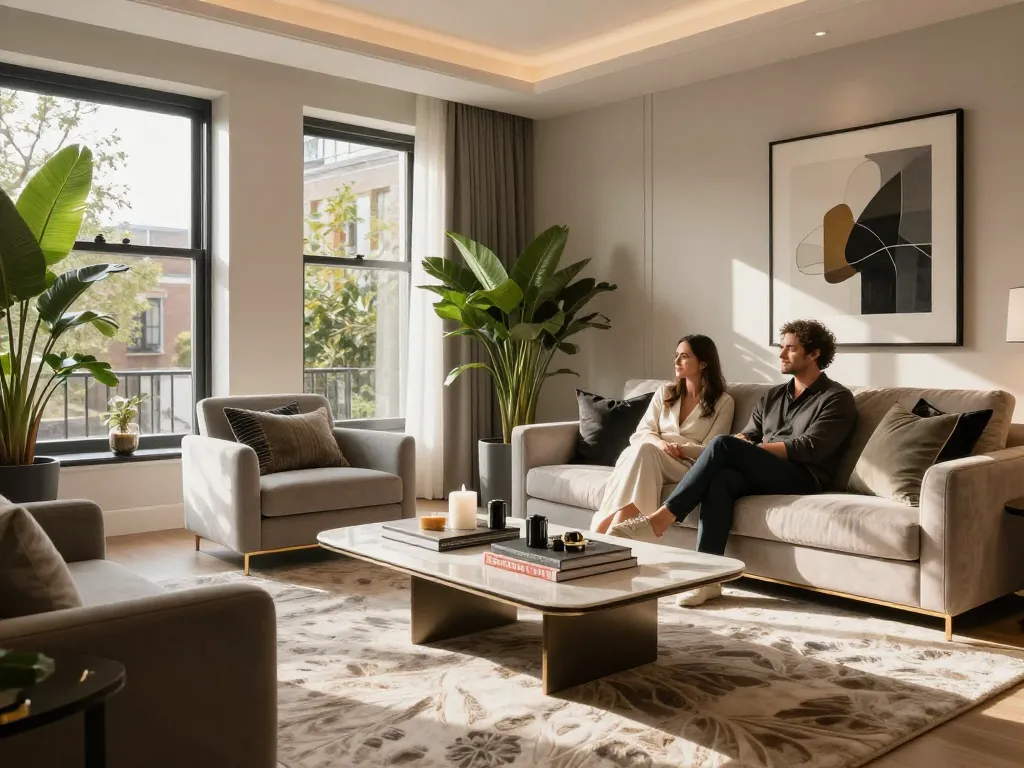
The interior of a Cape Cod home reflects its commitment to practicality. Commonly, these homes utilize an open floor plan that allows for a seamless flow between the living, dining, and kitchen areas, fostering family interaction and relaxation. High ceilings and exposed beams create an airy feeling, while large windows often frame stunning views of the surrounding landscape.
In addition to open spaces, many homeowners incorporate multifunctional rooms. For example, a den might also serve as a guest room during the summer months, showcasing the flexible use of space that defines Cape Cod living.
Exterior Color Palettes
The exterior of a Cape Cod home is as important as its interior. Soft, muted colors such as pale blues, grays, and whites blend beautifully with the coastal environment. These color choices pay homage to the original settlers’ reliance on natural pigments and reflect the soft hues of the surrounding landscape.
A popular trend among homeowners is to get creative with accent colors, especially on shutters and doors, which can feature bolder shades while still fitting the Coastal aesthetic.
Landscaping Styles
The landscape surrounding Cape Cod homes should complement their architecture and embrace the coastal beauty. Native plants such as beach grasses, hydrangeas, and cedar trees are common choices, as they thrive in the sandy soils and salty air. Furthermore, paths made from natural stone and shells can lead to outdoor seating areas designed for relaxation and gatherings.
Homeowners often incorporate edible gardens, promoting sustainability while enjoying the beauty of nature. These gardens might include herbs, vegetables, and even fruit trees, enhancing the charm and functionality of outdoor spaces.
Renovating Your Cape Cod Home
Whether you’re updating an existing property or adding onto a new construction, renovations offer endless opportunities to enhance the beauty and functionality of Cape Cod homes. When considering renovations, prioritizing ecological impacts and maintaining historical authenticity is crucial.
Common Renovation Ideas
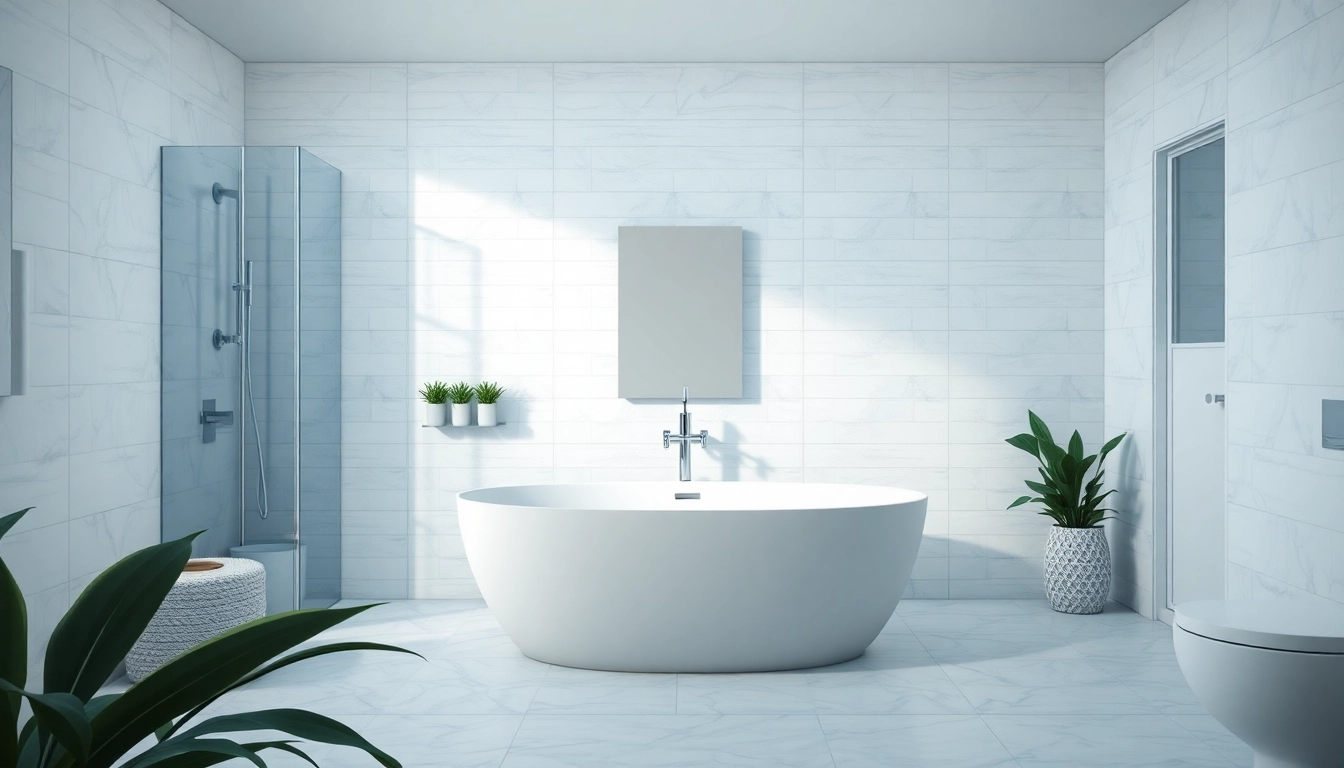
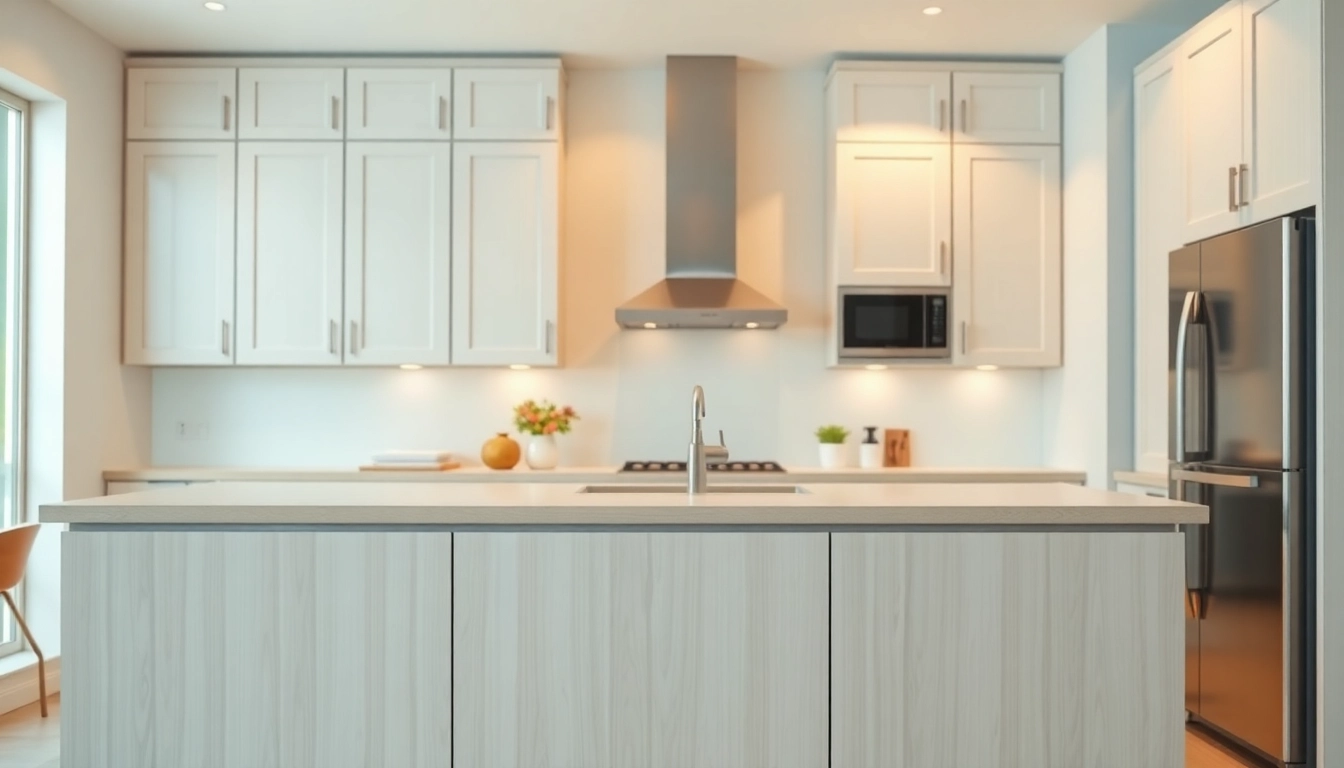
Common renovations for Cape Cod homes include expanding living spaces, modernizing kitchens, and enhancing natural light. Adding dormers or expanding roof lines increases second-floor space, while reconfiguring open areas can facilitate better flow. Upgrading kitchens and bathrooms with contemporary fixtures and appliances boosts both functionality and value, ensuring the home meets the needs of modern living.
Choosing Sustainable Materials
As the demand for eco-friendly renovations rises, so does the availability of sustainable materials. Choosing local, reclaimed, or recycled materials minimizes environmental impact and promotes sustainability. Options like bamboo flooring, recycled glass tiles, and low-VOC paints contribute to your home’s eco-friendliness while maintaining its aesthetic integrity.
Hiring the Right Professionals
When embarking on a renovation project, hiring the right professionals is key. Look for architects and builders who specialize in historical homes, ensuring they respect the unique characteristics of Cape Cod design while integrating modern solutions. Obtaining multiple quotes and interviewing candidates is essential to finding the best fit for your project.
Maintaining Your Cape Cod Home
Preserving the beauty and functionality of your Cape Cod home is an ongoing commitment. Regular maintenance will not only extend the life of the home but also enhance its beauty for years to come.
Weatherproofing Tips
Given the coastal climate, weatherproofing is crucial for any Cape Cod home. Start by inspecting and sealing windows and doors to prevent drafts. Ensure the roof and gutters are in good condition, clearing any debris to promote water drainage. Additionally, consider using storm windows or insulated doors for added protection against harsh weather.
Seasonal Maintenance Checklist
Creating a seasonal maintenance checklist ensures that essential tasks aren’t overlooked. In the summer, focus on landscaping and exterior cleaning. In fall, inspect the roof and gutters. Winter months should prioritize ensuring proper heating systems are operational, while springtime can involve checking for water damage or mold growth.
Long-term Care Strategies
Investing in long-term strategies can enhance the durability and aesthetics of your home. Consider routine inspections by professionals to catch potential issues early, and incorporate eco-friendly practices such as rainwater collection or solar panels to reduce energy consumption.
FAQs about Cape Cod Homes
What defines a Cape Cod home?
A Cape Cod home is typically characterized by a steeply pitched roof, symmetrical facade, dormer windows, and a simple, functional interior layout, originally designed to withstand harsh weather conditions.
Are Cape Cod homes energy efficient?
Yes, Cape Cod homes can be energy-efficient with features like proper insulation, energy-efficient windows, and modern heating systems, making them sustainable choices for homeowners.
How to choose a color for a Cape Cod home?
Opt for soft, muted colors that reflect the coastal environment, such as pale blues and grays, while using bolder accent colors for doors and shutters to create visual interest.
What are common materials used in these homes?
Common materials include wood shingles for siding, natural stone for fireplaces, and reclaimed wood for flooring, emphasizing sustainability and the connection to the natural surroundings.
How to maximize space in a Cape Cod home?
To maximize space, consider open floor plans, multifunctional rooms, built-in furniture, and strategic storage solutions that keep the home organized while embracing its charm.